

Nonprofits Are Under Attack. This Network Is Fighting Back.
The National Council of Nonprofits launched Nonprofits Get It Done when “it became clear that nonprofits were in the fight for our lives.”
For Surdna’s 2025–2026 Living in the Future Impact Report, we partnered with Next City, whose journalists covered the work of eight of our many extraordinary grantee partners and investees. Chosen from hundreds of impactful efforts this year, these stories show that despite the recent backlash against racial progress, our partners are not waiting for a just and sustainable future; they’re building it now.
Nonprofits Are Under Attack. This Network Is Fighting Back.
By: Marianne Dhenin | Next City
When Danielle Clore was in college in Lexington, Kentucky, in the nineties, she knew she wanted a career where she could make a difference. So, one day, she opened the phone book to a list of social service providers and started mailing copies of her resume. “I love telling the story to students,” Clore admits. “Because they don’t know what I’m talking about with the phone book.”
Over the roughly 30 years since Clore launched her career by poring over a directory of do-gooder organizations, she has worked in nonprofit fundraising and trained others in nonprofit management. Since 2002, she has served as executive director and CEO of the Kentucky Nonprofit Network (KNN), a state association of nonprofit organizations. While Clore’s commitment to service has remained constant, communication technologies have come a long way. She now finds herself helping lead digital advertising as part of Nonprofits Get It Done, a campaign launched in August 2025 to protect the reputation of organizations like those she once dug through in the yellow pages.
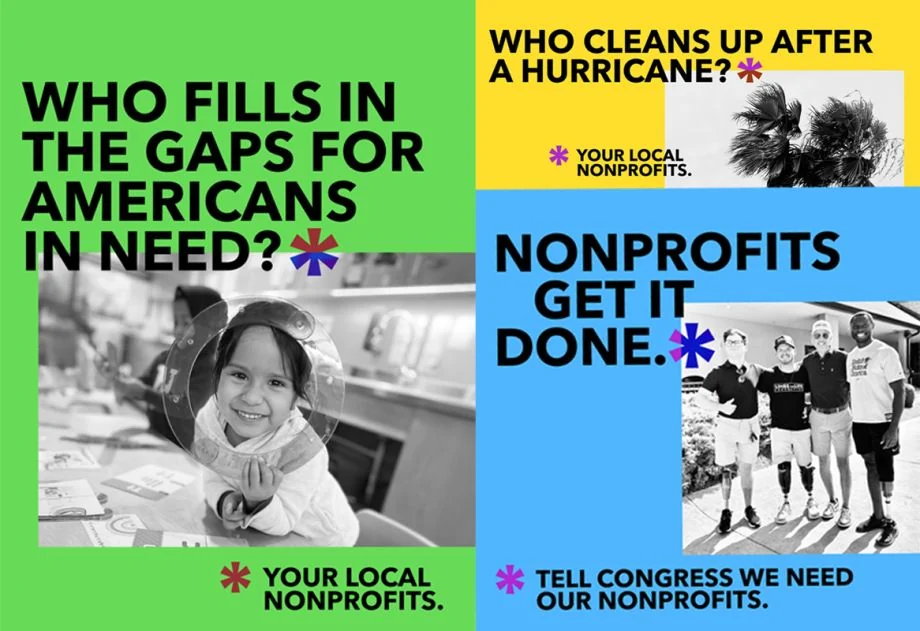
The National Council of Nonprofits (NCN) launched Nonprofits Get It Done to counter rising harmful rhetoric and combat misinformation about charitable organizations. Through web ads, social media, and print advertising, the campaign is mobilizing a nationwide network of nonprofits and the communities they serve to defend their vital work.
“Early in 2025, it became clear that nonprofits were in the fight for our lives,” said Diane Yentel, NCN’s president and CEO. “We knew we needed a powerful counternarrative to remind the public and policymakers of the essential role that nonprofits play in all our lives.”
Nonprofit organizations have faced increasing attacks over the past two years, with extremist influencers, some lawmakers, and other powerful figures like Elon Musk making unsubstantiated accusations against many organizations that have done nothing wrong. During Musk’s time in the White House leading the Department of Government Efficiency, the federal government slashed funding for nonprofits and, in some cases, even canceled in-progress grants. It has also tried to implement new ideological conditions on grant funding to make it less accessible, especially to nonprofits that serve certain marginalized groups such as immigrants or trans people. Lawmakers in the House have tried on multiple occasions in recent years to pass H.R. 9495, a bill that some opponents dubbed “the nonprofit killer” because it would have granted the executive branch broad authority to investigate and revoke the tax-exempt status of organizations it deemed political foes.
Claims that the nation’s nonprofits marshal vast resources to pursue anti-government or partisan agendas do not bear out. About 1.5 million charitable nonprofit organizations serve communities across the country. Most are small, community-based, and serve local needs. Over 90 percent spend less than $1 million annually, and 88% spend less than $500,000. The organizations also employ more than 10% of America’s private workforce, providing more jobs than manufacturing, construction, or finance.
As the largest nonprofit network in the nation, connecting nearly 40,000 individual organizations through its state association members, NCN is uniquely positioned to recognize looming threats to America’s nonprofits and campaign to counter them. The organization has also been at the center of litigation challenging the federal government’s rollbacks of programs that support nonprofits, including to stop its unlawful rewriting of the Public Service Loan Forgiveness program and to block its freeze of vital grant funding.
“The bigger-picture items that NCN provides — like advocacy work, like this narrative change campaign, and other things like leadership training for nonprofit leaders — ensure nonprofits are equipped to do their job,” says Sophy Yem, senior program officer for philanthropy at the Surdna Foundation. Surdna provides general operating support to NCN.
Before launching Nonprofits Get It Done, Yentel says NCN ran polling that found harmful narratives about nonprofit organizations were landing with audiences and trust in nonprofits was falling. Then, she said her organization looked for “messages that resonated with all audiences [and that would] rebuild trust across states, across ideologies, [and] across political parties” to counter that trend. “The result is the Nonprofits Get It Done campaign — a central message of the importance of communities coming together to solve problems through and with local nonprofits, and a reminder that nonprofits fill gaps that the government and private sector on their own can’t,” Yentel continued. The campaign engages audiences using that simple message, bright colors, stories of real impact from communities nationwide, and simple calls to action.
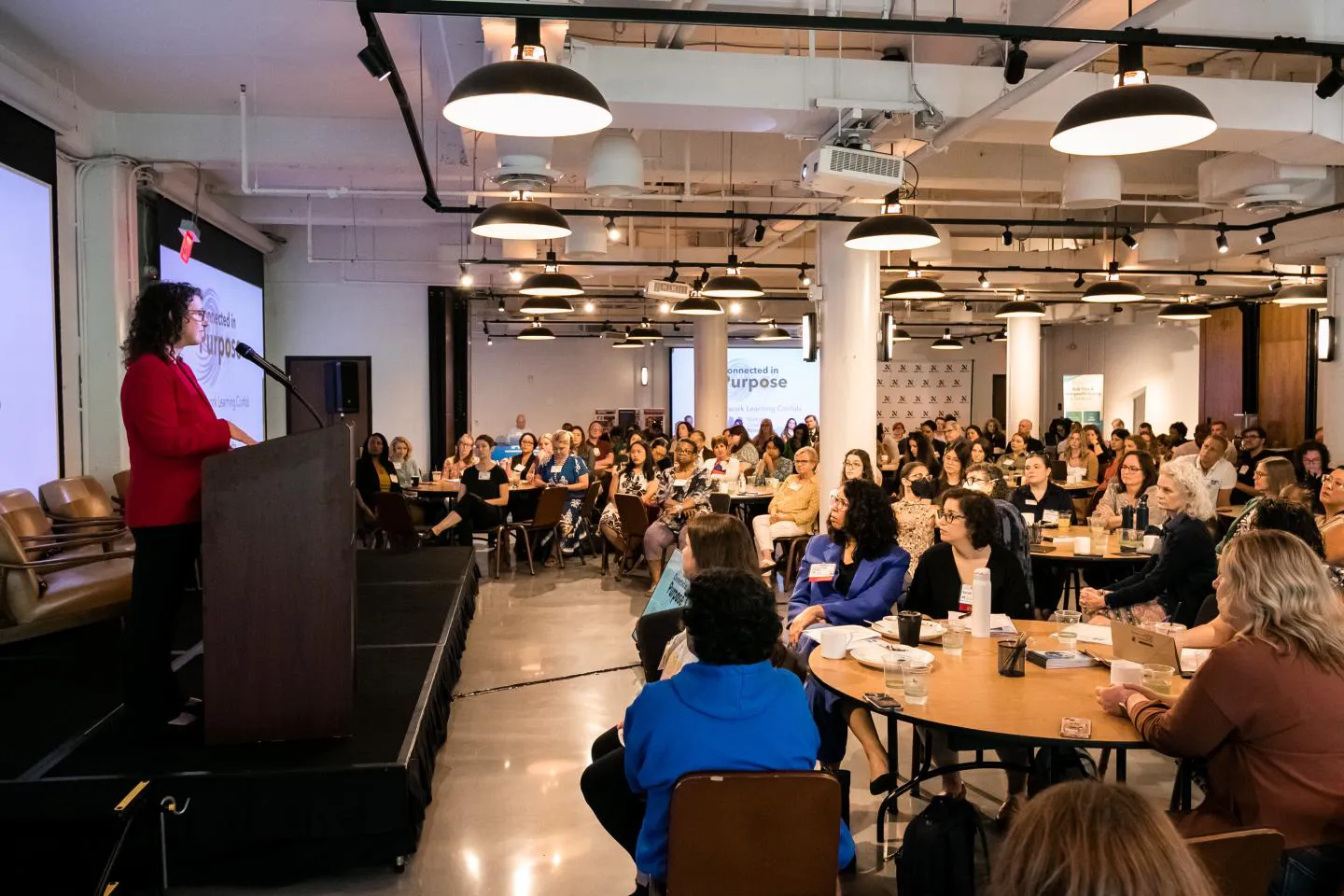
It has had a big impact: Nationwide, during its first three months alone, Nonprofits Get It Done racked up over 55 million total impressions, drove almost 100,000 ad clicks, and resulted in more than 2,000 letters sent to members of Congress from constituents concerned about attacks on nonprofits in their communities. Momentum has continued to grow since then, with NCN offering $5,000 grants to help network members ramp up campaign engagement on the local level. More than 20 of NCN’s member associations have received those grants thus far, and more than two-thirds of its members are now involved and sharing stories of nonprofit impact from their member organizations.
In Kentucky, Clore said her team localized the campaign by having a Kentucky voiceover artist record some of the digital ads and by adding footage from recent extreme weather events across the state. The state’s nonprofits have shared stories about their work, ranging from disaster relief to after-school tutoring and programming for aging community members. Clore said the stories show that “Every Kentuckian every day is benefiting from the work of Kentucky’s charitable nonprofits.” By uplifting those stories, she continued, KNN and NCN are helping “ensure that folks understand that because ultimately they will be impacted when the sector is hurt, or damaged, or limited in its capacity.”