In the near term, communities across the country are likely to feel ongoing pain as the federal government continues to not only dismantle civil rights and other basic freedoms, but also implement cruel cuts to health care, food assistance, education, and other basic family needs. Nonprofits have worked valiantly to fill those gaps, but many are having to address worsening local crises with fewer resources because of reductions in public funding and philanthropic support.
That’s why the data and stories in this report are so important. We use data to report on our commitments to responsible philanthropic practices, such as providing multi-year general operating support; responding rapidly to urgent needs in different locales; and offering ongoing technical assistance.
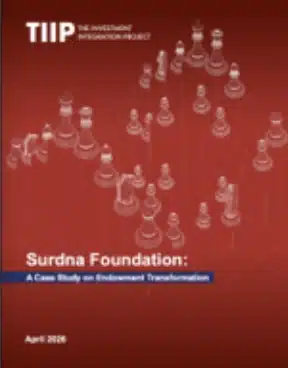
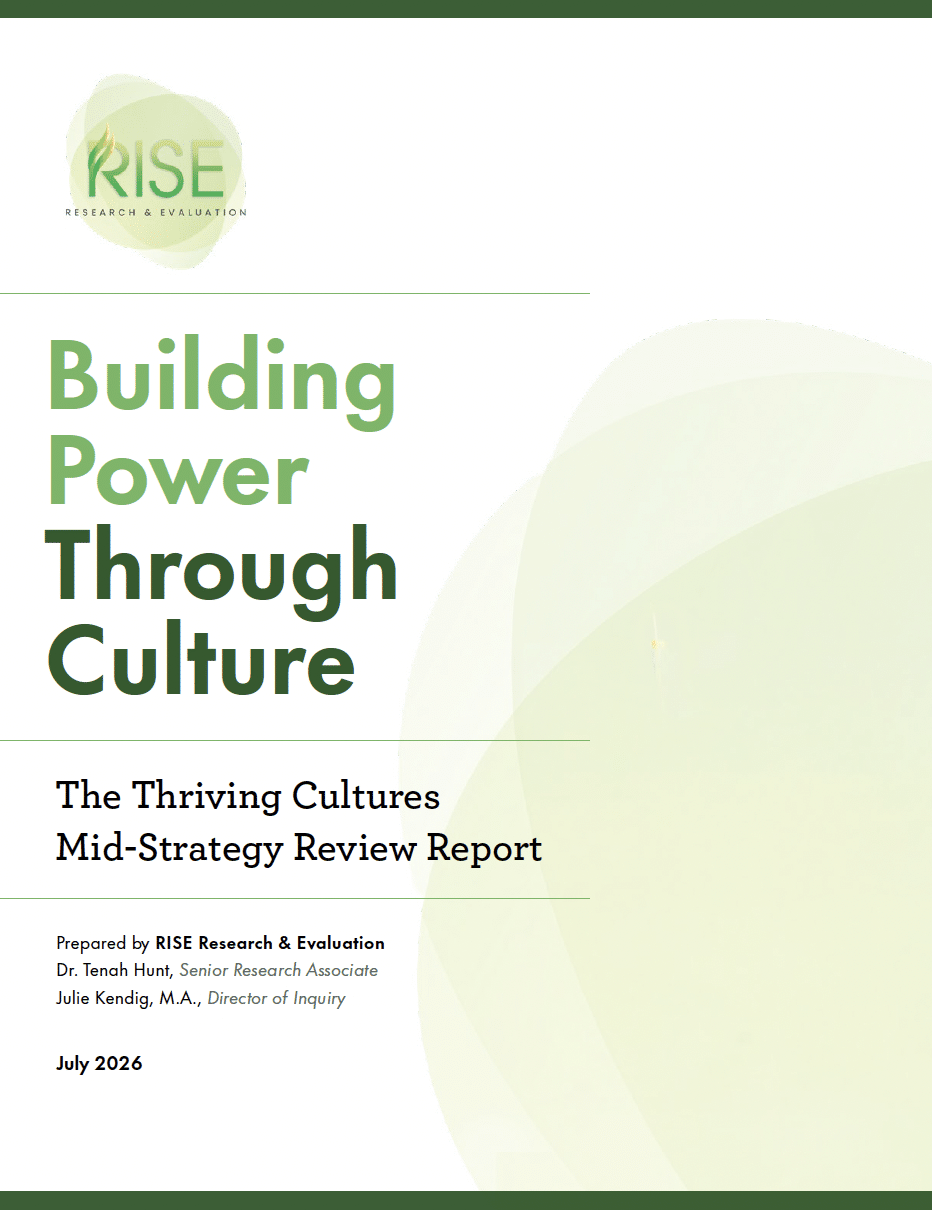
Our stories offer a more vivid picture of what our partners do with grant resources. Many of these stories show how people closest to a problem lead with solutions. One article features Iliana Pujols, who was arrested when she was eleven years old, then spent seven years on probation. Today, she leads youth organizing for the Youth First Justice Collaborative (YFJCo) and is playing a critical role in reducing the rate of incarcerated youth nationwide. Another chronicles the efforts of arts and culture leaders in Mississippi who crafted a home-grown response to losing their town’s grocery store—the establishment of the Utica Food Club. In Gary, Indiana, Capital B journalists started printing a free newspaper because residents were hungry for quality reporting about their community.
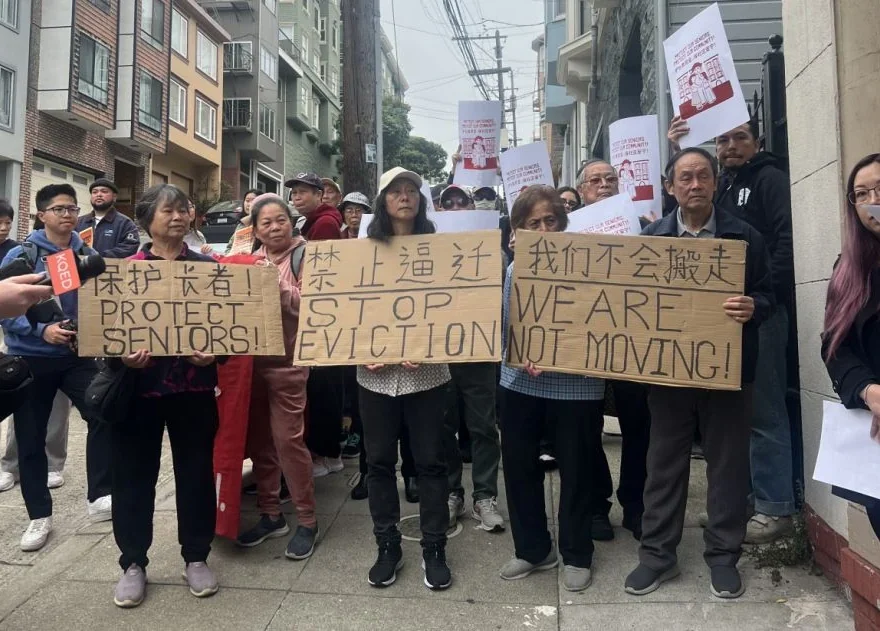
The stories in this report also show what’s possible when people come together to challenge powerful interests. In Richmond, California, residents organized by the Asian Pacific Environmental Network successfully advocated for an agreement getting Chevron to pay the city $550 million over the next 10 years for polluting its air and water for decades. Earlier this year, a coalition of civil rights organizations co-led by the Asian Law Caucus successfully petitioned the Supreme Court to uphold birthright citizenship. And through the Margins to Mainstream project, grantee partners—not Surdna staff—came together to decide how to invest $500,000 in grant dollars to reshape the narrative about how best to achieve economic justice.
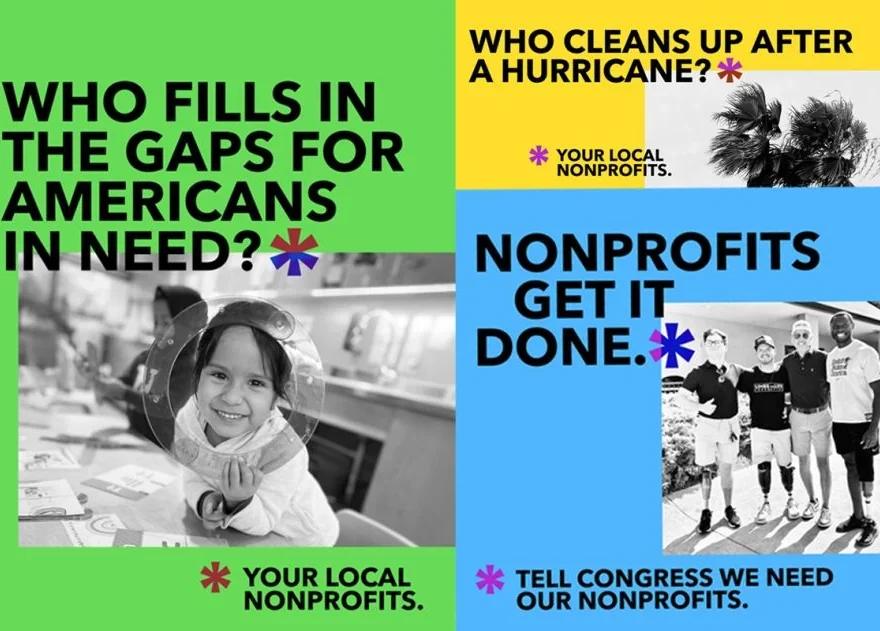
This report also highlights the importance of winning narrative battles to lay the groundwork for reforming complex systems that affect people’s everyday lives. For example, the National Council of Nonprofits’ #NonprofitsGetItDone campaign reminded Americans about its national network of 40,000 nonprofit members who deliver benefits to people and families every day. The campaign earned 55 million social media impressions and prompted more than 2,000 letters to Congress. Another example is our impact investing, which continues to demonstrate that investing in socially beneficial businesses can also generate handsome financial returns—something that many still regard as an either/or trade-off. We illustrate the win-win potential of impact investing by highlighting our partnership with the Ecosystem Integrity Fund and its portfolio of companies focused on renewable energy, recycling, the destruction of forever chemicals, and other environmentally friendly enterprises.
I hope you find these stories engaging, inspiring, and worth sharing with friends and colleagues. Offering these examples, our annual data, and lessons learned is at the heart of Surdna’s goal to contribute knowledge to the fields and communities that we serve. We believe in rigorous learning through trusting relationships with grantees and other partners so that we can reflect candidly on what went well, what didn’t go as expected, and what those lessons mean for our next steps together. Learning tough lessons and making informed adjustments offer a critical pathway to more effectiveness in advancing our racial and social justice mission. Being transparent about what we’re doing and what we’re learning demonstrates our conviction that all tax-exempt organizations are ultimately accountable to the public.
Happy reading!
Don Chen