

What It Takes to Beat a Multimillion-Dollar Polluter
The Asian Pacific Environmental Network is building community power that marshals change.
For Surdna’s 2025–2026 Living in the Future Impact Report, we partnered with Next City, whose journalists covered the work of eight of our many extraordinary grantee partners and investees. Chosen from hundreds of impactful efforts this year, these stories show that despite the recent backlash against racial progress, our partners are not waiting for a just and sustainable future; they’re building it now.
What It Takes to Beat a Multimillion-Dollar Polluter
By: Stephanie Lam | Next City
Growing up in the neighboring cities of Richmond and San Pablo in northern California, 21-year-old Justin Vilaysouk would see plumes of smoke coming from Chevron’s oil refinery. The 3,000-acre refinery has operated in Richmond since 1902, polluting the air and water for generations.
“Unfortunately, now I realize that shouldn’t be the norm for San Pablo and Richmond folks,” says Vilaysouk, who is joining the local movement to counter environmental harm.
In June, the UC Berkeley junior became a fellow with the Asian Pacific Environmental Network (APEN), which has organized Richmond residents for years to hold Chevron accountable for polluting their community. After pollution from a 2012 fire at the refinery sent many residents to seek medical care, organizers proclaimed “enough is enough” as APEN and eight other organizations formed the Richmond Our Power Coalition. A progressive majority emerged on the city council, leading to a ban on coal transport in Richmond and to voters approving an ordinance taxing corporate income. In 2024, APEN Action (APEN’s 501c4 sister organization) campaigned alongside its allies for another Richmond ballot measure that would tax every barrel of oil produced at the refinery. Rather than face the tax, Chevron struck a deal to pay the city $550 million over the next decade.
“It’s a massive inspiration, and a miracle in my eyes,” says Vilaysouk. “APEN managed to gather Richmond residents, along with other organizations, and really stop this powerful and rich company.”
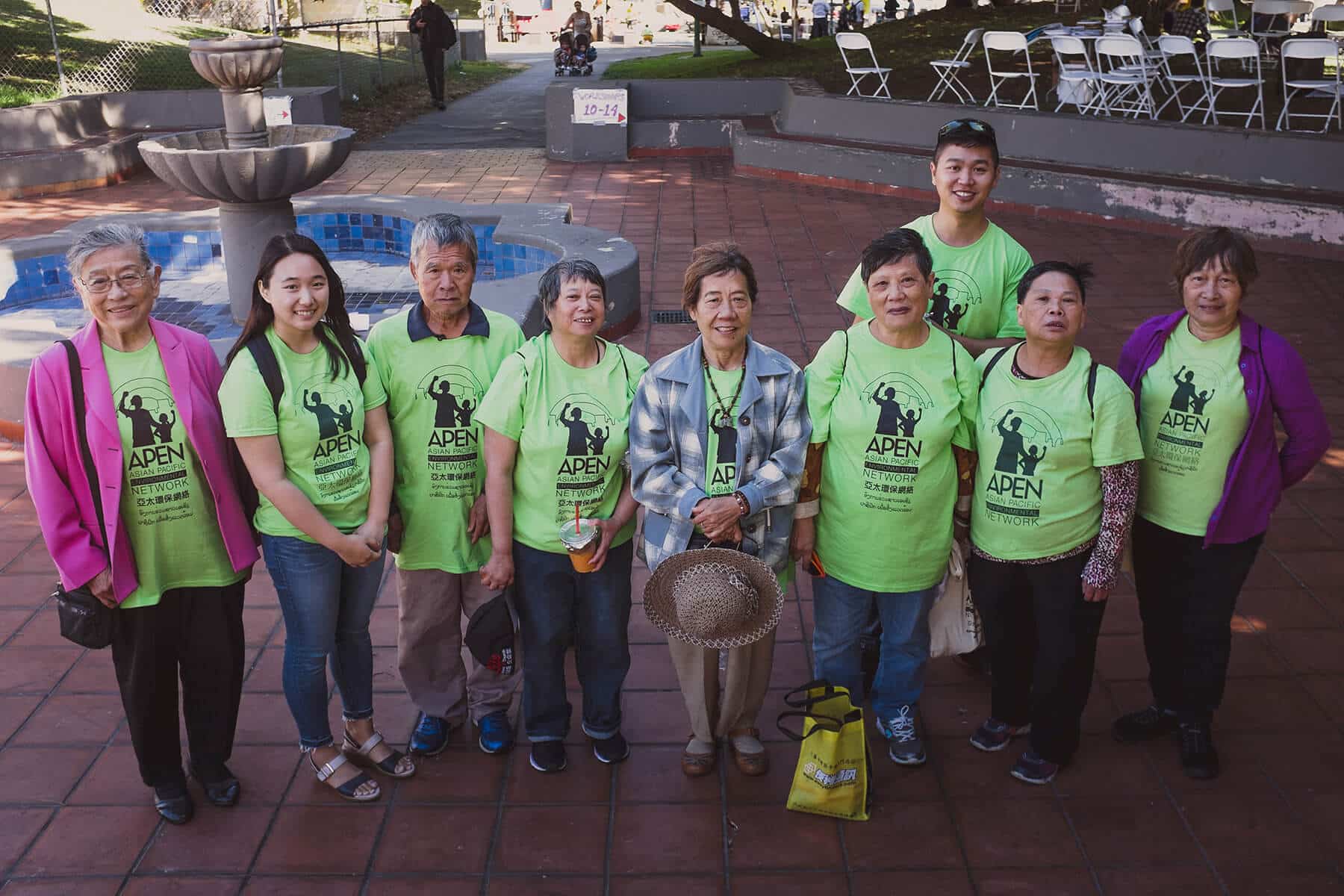
Founded in 1993, APEN has a decades-long history of collaborating with Asian immigrant and refugee communities to address pollution and climate change. The organization has offices in Richmond, Oakland and Los Angeles. New members like Vilaysouk are joining all the time, even as others have grown up with APEN. That includes Vivian Yi Huang, who first joined in 2010 and became the organization’s co-director in 2022. Careful relationship- and trust-building over time are what enable APEN to connect with and empower communities impacted by big polluters.
“We really believe firmly that community members — who are the ones that are bearing the impact of toxic pollution and the burden of the extractive economy — really should be centered in the leadership and shaping the solutions and decisions of what needs to happen at the community level,” Huang says.
In April, the Richmond City Council hired a third-party consultant to help decide how to handle Chevron’s settlement money. The consultant will lead community input meetings and advise the city on how to hold and invest the fund.
Huang says she hopes Richmond will use the money to help “move away from a fossil fuel economy” and toward a “healthy, inclusive and thriving economy.”
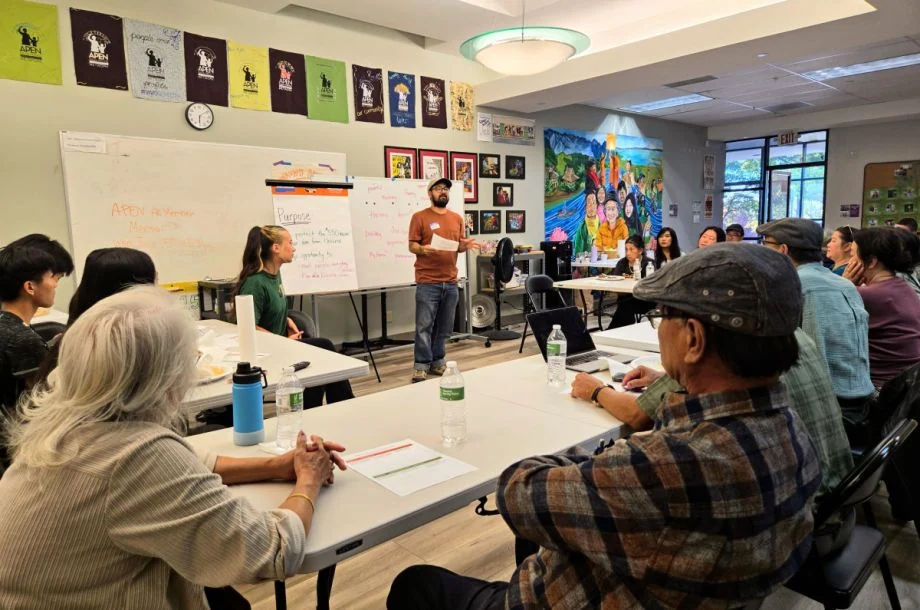
APEN holds meetings with its members to discuss how the money can be spent. Huang says they want to help people feel confident about voicing their opinions during the consultant’s meetings.
“It’s been really powerful for our APEN members to be able to see and witness their own growth and power on an individual level — as well as the inspiration of being able to achieve big wins as they take collective action and build power together,” says Huang.
Following its success against Chevron, the nonprofit published a campaign playbook offering advice to other communities living near extractive industries on how to build a ballot-measure campaign.
There are 131 other refineries across the U.S., and many have been profiting and polluting for decades. Meanwhile, nearby residents face high rates of asthma, sickness, and death, according to APEN.
APEN also collaborated with PSE Healthy Energy to build an online database that helps Californians find their nearest climate resilience hub, which includes community centers, libraries, and places of worship.
APEN describes the hubs as “spaces where community members can access services for disaster response and recovery, as well as gather, organize, and access resilience-building social services on a daily basis.”
The database includes information on local populations, their poverty levels, and climate risks. The tool shows, for example, which areas have extreme heat, poor air quality, or public safety power shutoffs.
Thanu Yakupitiyage, program officer for the Sustainable Environments program at the Surdna Foundation, considers APEN a shining example of how grassroots nonprofits can support their communities.
“This really demonstrates that, even if you’re a small organization, if you build power within a community, you can make significant changes,” she says. “I think the naysayers will say, ‘How can a small organization take on a multimillion-dollar company?’ But the reality is APEN was also working with local politicians, with scientists. They were really making a case about how companies like Chevron did not have the interest of the communities at heart.”
APEN’s efforts to advance environmental justice don’t stop with taking on the powerful polluters. The nonprofit’s holistic approach to environmental justice recognizes how economic security and civic participation contribute to sustainable communities. So its work includes advocating for strong tenant protections in Richmond, such as rent control and equitable housing development. Volunteers run multilingual Asian American voter-mobilization programs and have even opened a new community garden to build relationships across generations.
“APEN is a community-based organization that is really embedded in the success of the community members,” Yakupitiyage says. “That kind of longevity in terms of power building and investing in people’s leadership is such an important lesson.”
Vilaysouk is doing his part as an organizer, building relationships with the community and encouraging participation in environmental justice campaigns. Vilaysouk said he wants to do more outreach in Richmond’s Lao and Vietnamese communities, letting them know about APEN’s resources.
“I want to stay and help create a community-centered city,” he says.