Surdna Foundation - Surdna Foundation -
  • About
    • Our Organization
      • Our History
      • Vision, Mission & Values
      • Surdna & Social Justice
      • Theory of Change
      • Code of Conduct
    • Our Team
    • Andrus Family Programs
    • Careers
  • Programs
    • Our Programs
      • Inclusive Economies
      • Sustainable Environments
      • Thriving Cultures
      • Andrus Family Fund
    • Other Initiatives
      • Resilient Organizations Initiative
  • Grants
    • Grants Database
    • Prospective Grantees
  • Investments & Finance
    • Impact Investing
    • Financial Reports
    • Annual Reports
  • News & Insights

Phone: 212-557-0010

  • Media Kit & Glossary
  • Privacy Policy
  • Careers
© 2026
  • Search
  • Introduction
  • The Future is...
    • Creative
    • Healthy
    • Prosperous
    • Safe
    • Neighborly
    • Connected
    • Informed
    • Manifested
  • By the Numbers
  • What We're Learning
  • What the Future Needs

Living in the Future

Impact Report

2025-2026

Photo: Javonte Anderson / Capital B 

Across the country, people aren’t waiting for a just future. They’re already building and living it. Meet some of the people, ideas, experiments, and solutions giving us hope.

From the President

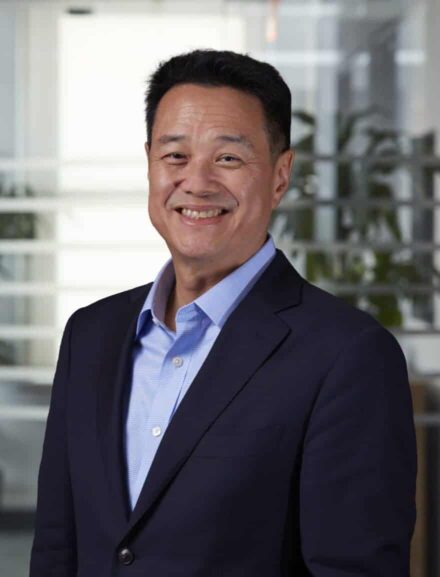
Don Chen, president of the Surdna Foundation

Don Chen, president of the Surdna Foundation

Hold fast to dreams
For if dreams die
Life is a broken-winged bird
That cannot fly.

Hold fast to dreams
For when dreams go
Life is a barren field
Frozen with snow.

“Dreams,”
Langston Hughes, The World Tomorrow, 1923

In this time of upheaval and uncertainty in the United States, it may seem audacious to dream. Yet it is the most important thing we can do. Putting forth a vision for a better tomorrow—where every family can feel safe, every child can breathe clean air, every worker has a fair shot at the good life, and every community thrives—is essential for fueling hope and positive social change.

A vision gives us a destination, and stories light the path to get there. This year, the Surdna Foundation partnered with Next City, whose journalists covered the work of eight of our many extraordinary grantee partners and investees, from Richmond, California, to Utica, Mississippi. Chosen from hundreds of impactful efforts this year, these stories show that despite the recent backlash against racial progress, our partners are not waiting for a just and sustainable future; they’re building it now.

In the near term, communities across the country are likely to feel ongoing pain as the federal government continues to not only dismantle civil rights and other basic freedoms, but also implement cruel cuts to health care, food assistance, education, and other basic family needs. Nonprofits have worked valiantly to fill those gaps, but many are having to address worsening local crises with fewer resources because of reductions in public funding and philanthropic support.

That’s why the data and stories in this report are so important. We use data to report on our commitments to responsible philanthropic practices, such as providing multi-year general operating support; responding rapidly to urgent needs in different locales; and offering ongoing technical assistance.

Our stories offer a more vivid picture of what our partners do with grant resources. Many of these stories show how people closest to a problem lead with solutions. One article features Iliana Pujols, who was arrested when she was eleven years old, then spent seven years on probation. Today, she leads youth organizing for the Youth First Justice Collaborative (YFJCo) and is playing a critical role in reducing the rate of incarcerated youth nationwide. Another chronicles the efforts of arts and culture leaders in Mississippi who crafted a home-grown response to losing their town’s grocery store—the establishment of the Utica Food Club. In Gary, Indiana, Capital B journalists started printing a free newspaper because residents were hungry for quality reporting about their community.

The stories in this report also show what’s possible when people come together to challenge powerful interests. In Richmond, California, residents organized by the Asian Pacific Environmental Network successfully advocated for an agreement getting Chevron to pay the city $550 million over the next 10 years for polluting its air and water for decades. Earlier this year, a coalition of civil rights organizations co-led by the Asian Law Caucus successfully petitioned the Supreme Court to uphold birthright citizenship. And through the Margins to Mainstream project, grantee partners—not Surdna staff—came together to decide how to invest $500,000 in grant dollars to reshape the narrative about how best to achieve economic justice.

This report also highlights the importance of winning narrative battles to lay the groundwork for reforming complex systems that affect people’s everyday lives. For example, the National Council of Nonprofits’ #NonprofitsGetItDone campaign reminded Americans about its national network of 40,000 nonprofit members who deliver benefits to people and families every day. The campaign earned 55 million social media impressions and prompted more than 2,000 letters to Congress. Another example is our impact investing, which continues to demonstrate that investing in socially beneficial businesses can also generate handsome financial returns—something that many still regard as an either/or trade-off. We illustrate the win-win potential of impact investing by highlighting our partnership with the Ecosystem Integrity Fund and its portfolio of companies focused on renewable energy, recycling, the destruction of forever chemicals, and other environmentally friendly enterprises.

I hope you find these stories engaging, inspiring, and worth sharing with friends and colleagues. Offering these examples, our annual data, and lessons learned is at the heart of Surdna’s goal to contribute knowledge to the fields and communities that we serve. We believe in rigorous learning through trusting relationships with grantees and other partners so that we can reflect candidly on what went well, what didn’t go as expected, and what those lessons mean for our next steps together. Learning tough lessons and making informed adjustments offer a critical pathway to more effectiveness in advancing our racial and social justice mission. Being transparent about what we’re doing and what we’re learning demonstrates our conviction that all tax-exempt organizations are ultimately accountable to the public.

Happy reading!

Don Chen

The Future Is...

Creative

Healthy

Prosperous

Safe

Neighborly

Connected

Informed

Manifested

The Future Is Creative

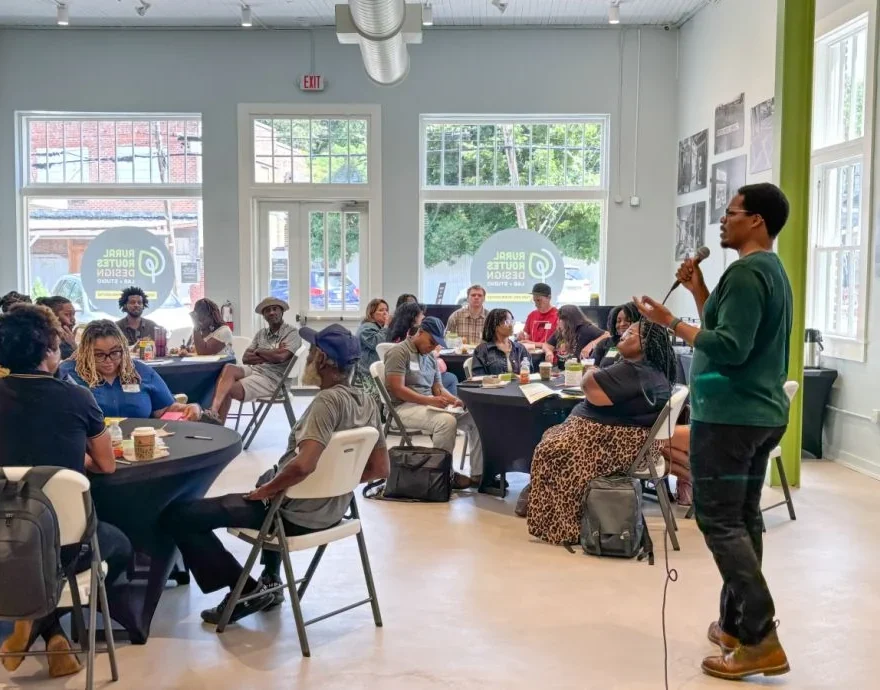
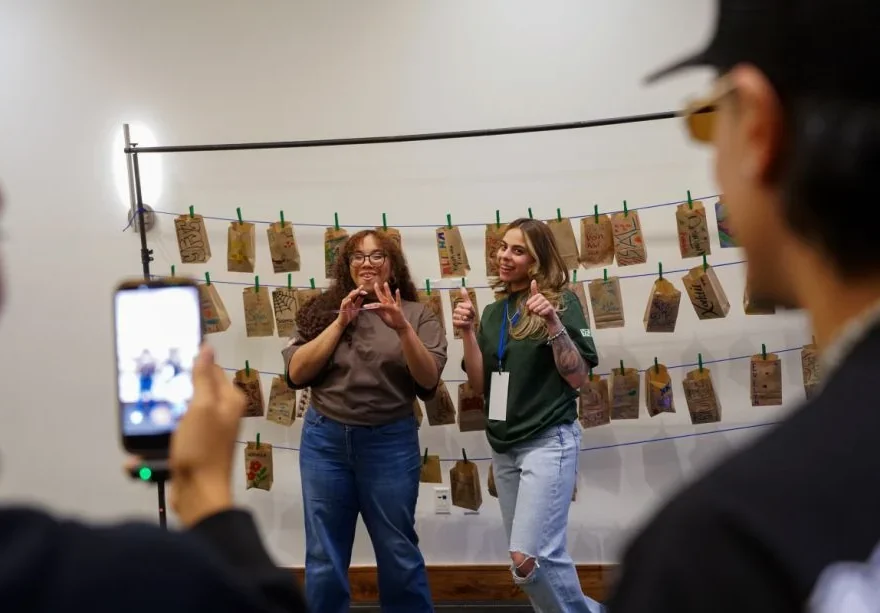
Project Director Saint Allen Austin addresses the artists and cultural workers during the 2025 Rural Routes Design Lab Universal Workshop. (Photo: Allison Allen/Courtesy of Sipp Culture)

Project Director Saint Allen Austin addresses the artists and cultural workers during the 2025 Rural Routes Design Lab Universal Workshop. (Photo: Allison Allen/Sipp Culture)

Thriving Cultures

In Utica, Sipp Culture Builds a Future Artists Don’t Have to Leave Home to Find

For 20 years, a former auto parts store sat dark at one of the most visible corners in Utica, Mississippi. “Psychologically, I think it does something to hope,” says Carlton Turner. Today it’s Sipp Culture’s Main Street Cultural Center, where residents gather, and artists don’t have to leave home to build a career.

Read the full story Thriving Cultures Program

  • $3.33M

    In grants awarded to Sipp Culture since 2018

  • 20

    Number of years the NAPA Auto Parts store sat abandoned before becoming the Main Street Cultural Center

  • 4

    Artists in the first Rural Routes Design Lab + Studio cohort, helping creatives stay in & strengthen communities

Sipp Culture's Rural Routes Design Lab artists and cultural workers. (Photo: Allison Allen⁠/Sipp Culture)

The Future Is Healthy

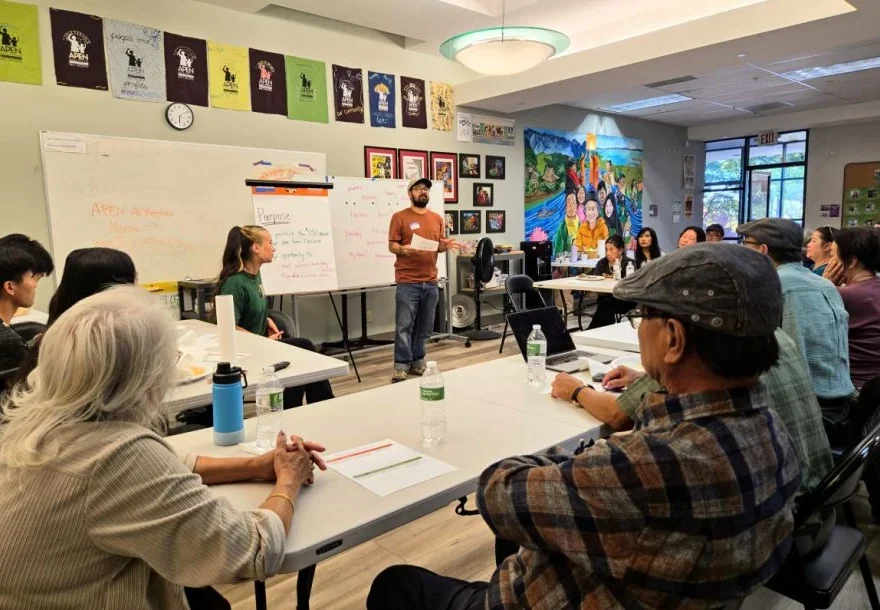
The Asian Pacific Environmental Network hosts community meetings to envision the best use of funds from the Chevron settlement. (Photo: APEN)

The Asian Pacific Environmental Network hosts community meetings to envision the best use of funds from the Chevron settlement. (Photo: APEN)

Sustainable Environments

What It Takes to Beat a Multimillion-Dollar Polluter

Justin Vilaysouk, 21, grew up watching smoke rise from the Chevron refinery that has polluted Richmond, California, since 1902. “Now I realize that shouldn’t be the norm,” he says. He’s part of a local movement standing up to the company in his own backyard.

Read the full story Sustainable Environments Program

  • $550M

    Amount Chevron agreed to pay Richmond over the next decade

  • 9

    Organizations in the Richmond Our Power Coalition

  • 30+

    Years of grassroots organizing for clean air and a better future

Asian Pacific Environmental Network organizers and Oakland Chinatown community members gather for the 2018 Solidarity to Solutions Summit in San Francisco. (Photo: APEN)

The Future Is Prosperous

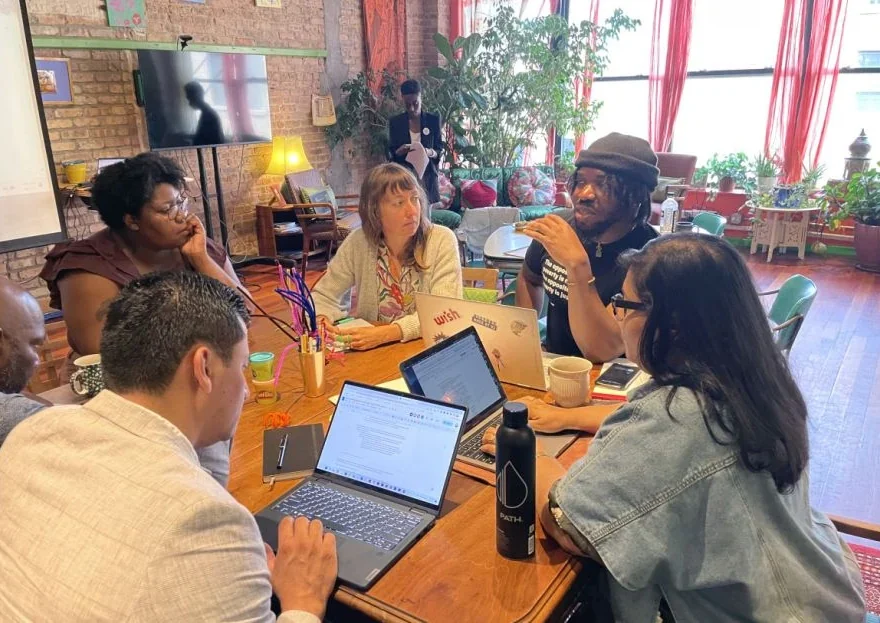
Members of the learning cohort convened in Chicago to hash out the participatory grantmaking process. (Photo: Center for Cultural Innovation)

Members of the learning cohort convened in Chicago to hash out the participatory grantmaking process. (Photo: Center for Cultural Innovation)

Inclusive Economies

Margins to Mainstream: The Narrative That Builds a Better Economy for All

What happens when grantees decide where the money goes? Rakiba Kibria and a group of grantees spent eight months deciding how to invest $500,000 from Surdna. They were given, she says, “the expansiveness to experiment.”

Read the Full Story Inclusive Economies Program

  • $500,000

    Decided by grantees through participatory grantmaking

  • 70+

    Economic leaders interviewed by the grantee coalition

  • 47

    Different descriptions of the economy, distilled into a unified vision

Margins to Mainstream grantee partners during the learning cohort retreat in 2023. (Photo: Bria Graham/Surdna Foundation)

The Future Is Safe

The Grassroots Assembly brings together organizers, including Iliana Pujols (right), who is the Director of Youth Organizing and Leadership at the Youth First Justice Collaborative. (Photo: Armando Geneyro)

The Grassroots Assembly brings together organizers, including Iliana Pujols (right), who is the director of youth organizing and leadership at the Youth First Justice Collaborative. (Photo: Armando Geneyro)

Andrus Family Fund

No More Kids in Prison: The Fight for Justice

Iliana Pujols was nine when a fire destroyed her family’s home in West Haven, Connecticut, and the years of shelters and borrowed couches began. Now 28, she’s part of a network of grassroots groups working toward a world without youth prisons.

Read the full story Andrus Family Fund

  • $450,000

    In general operating support from the Andrus Family Fund

  • 18

    States where the Youth First Justice Collaborative supports groups

  • 74%

    Decline in youth incarceration nationally between 2000 and 2023

The Future Is Neighborly

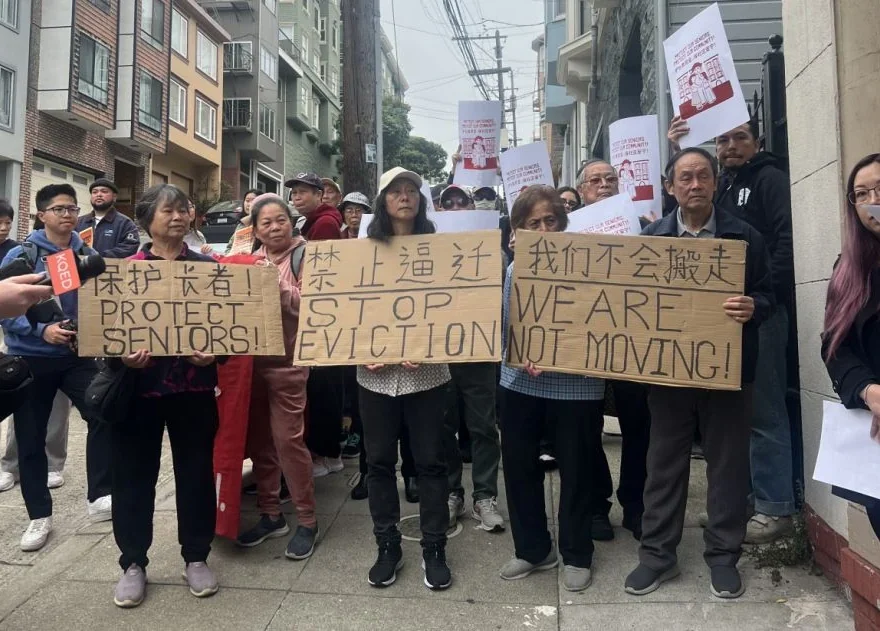
Longtime tenants and their supporters stand outside their building at a press conference, demanding that their landlord stop nuisance evictions of elders. The tenants are Asian Law Caucus clients, and many have lived in the building for decades without any complaints. (Photo courtesy of Asian Law Caucus)

Longtime tenants and their supporters stand outside their building at a press conference, demanding that their landlord stop nuisance evictions of elders. The tenants are Asian Law Caucus clients, and many have lived in the building for decades without any complaints. (Photo: Asian Law Caucus)

Presidential Fund

To Win Immigrant Rights, This Legal Group Fights in Court and Out of It

In 1898, Wong Kim Ark, born three blocks from what is now the Asian Law Caucus’ (ALC) San Francisco office, won the Supreme Court case that established birthright citizenship. More than a century later, ALC is defending that right again. “We can’t just win in the courtroom,” says Executive Director Aarti Kohli. “We have to win in the court of public opinion.”

Read the full story

  • 6-3

    Supreme Court ruling in Trump v. Barbara, a case Asian Law Caucus helped bring, striking down the executive order limiting birthright citizenship

  • 1972

    Year ALC was founded, the nation’s first Asian American legal and civil rights organization

  • 39

    Years after the Supreme Court upheld Korematsu’s conviction for resisting internment, ALC helped overturn it, opening the door to reparations for Japanese American survivors

Asian Law Caucus attorneys Winnie Kao and Kimberly Leung with Executive Director Aarti Kohli at the U.S. Supreme Court for oral arguments in the birthright citizenship case. (Photo: Joshua Stickney/ALC)

The Future Is Connected

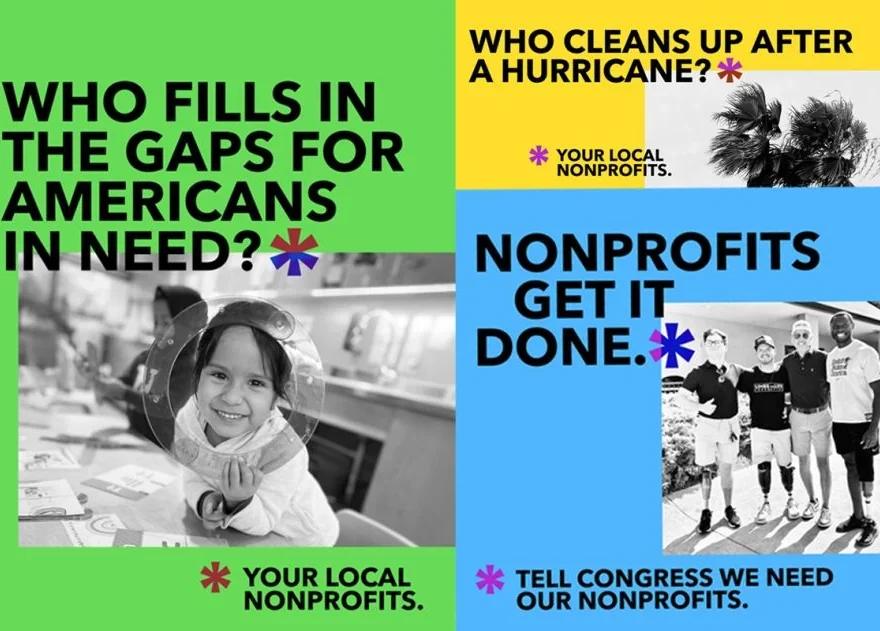
Samples from the Nonprofits Get It Done campaign. (Photo: National Council of Nonprofits)

Samples from the Nonprofits Get It Done campaign. (Photo: National Council of Nonprofits)

Capacity & Infrastructure

Nonprofits Are Under Attack. This Network Is Fighting Back.

Danielle Clore landed her first nonprofit job by mailing her resume to names she found in a phone book. Today she leads the Kentucky Nonprofit Network, part of a national campaign by the National Council of Nonprofits to push back on attacks against charities and show how communities and local nonprofits solve problems together.

Read the full story

  • 55M+

    Campaign impressions in the first three months (NCN-reported)

  • 2,000+

    Letters to Congress

  • 40,000

    Organizations reached through state associations

National Council of Nonprofits gathers nonprofit members for a learning event in June 2025. (Photo: Chris Zimmer/National Council of Nonprofits)

The Future Is Informed

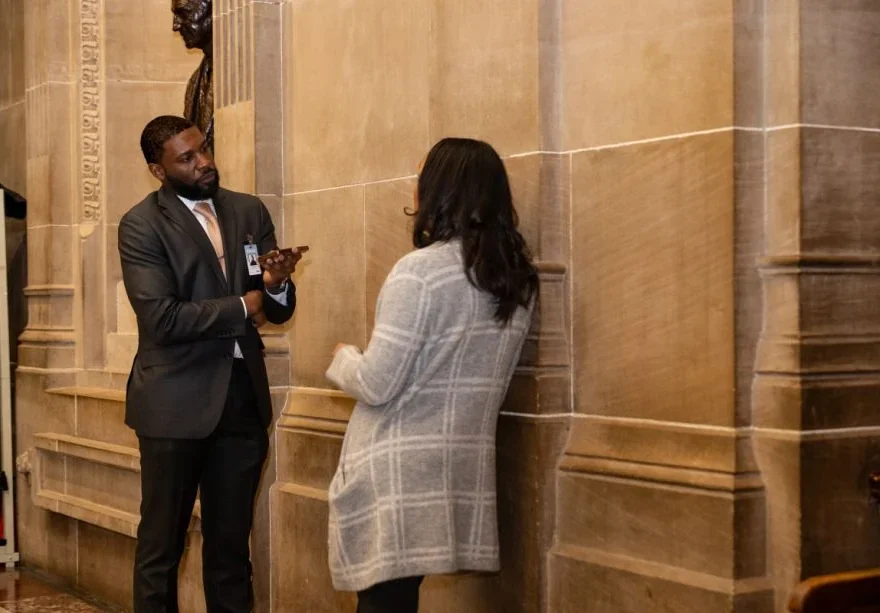
Gary politics reporter Calvin Davis interviews state Rep. Regan Hatcher at the Indiana Statehouse in Indianapolis. (Photo: Javonte Anderson/Capital B)

Gary politics reporter Calvin Davis interviews state Rep. Regan Hatcher at the Indiana Statehouse in Indianapolis. (Photo: Javonte Anderson/Capital B)

Communications

Rebuilding Local News with a Model Meant to Last

When Capital B opened a newsroom in Gary, Indiana, residents kept asking about the city’s old newspaper. So the digital outlet started printing one. Now 5,000 free copies of Gary Monthly go out each month to the library, the transit center, and a popular breakfast spot, and they go fast.

Read the full story

  • 5,000

    Free print copies of Gary Monthly each month

  • 28%

    Revenue growth at newsrooms supported by the American Journalism Project in 2025

  • 23

    Families received vouchers to move to safe housing after a Capital B investigative series prompted a HUD inspection

Dr. Tifany Jamison holds a copy of Gary Monthly at a Capital B focus group on maternal health. (Photo: Javonte Anderson/Capital B)

The Future Is Manifested

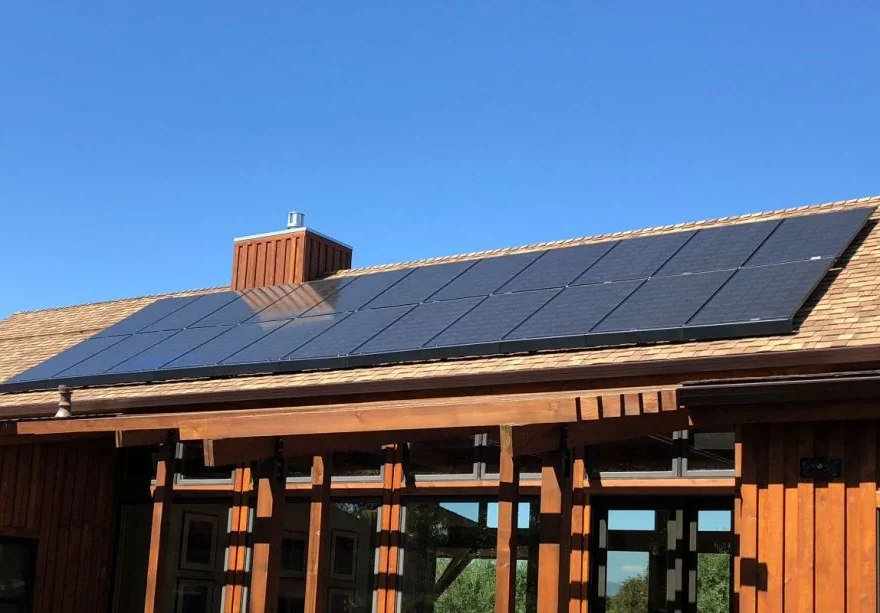
Ecosystem Integrity Fund supported Pegasus Solar, which designed and manufactured a rooftop solar mounting system. (Photo: Ecosystem Integrity Fund)

Ecosystem Integrity Fund supported Pegasus Solar, which designed and manufactured a rooftop solar mounting system. (Photo: Ecosystem Integrity Fund)

Impact Investing

Building the Climate Solutions the Market Won’t

Adam Connaker calls himself “a skeptic on the front end.” As Surdna’s vice president of investments, he backs climate companies through long-term partnerships with funds like the Ecosystem Integrity Fund, whose investments include a solar company that cut rooftop installation time in half. “We get to really dream big,” he says.

Read the full story Impact Investing

  • 1/2

    The time to install Zep rooftop solar, and a quarter less cost

  • 10-12

    Years-long endowment partnerships with fund managers

  • 200

    Categories Trashie sorts used textiles into, so each one goes to its highest-value recycled use

Ecosystem Integrity Fund finds early-growth-stage companies working to solve big questions about how we live on this planet, like Trashie, a textile recycling startup. (Photo: Adobe)

By the Numbers

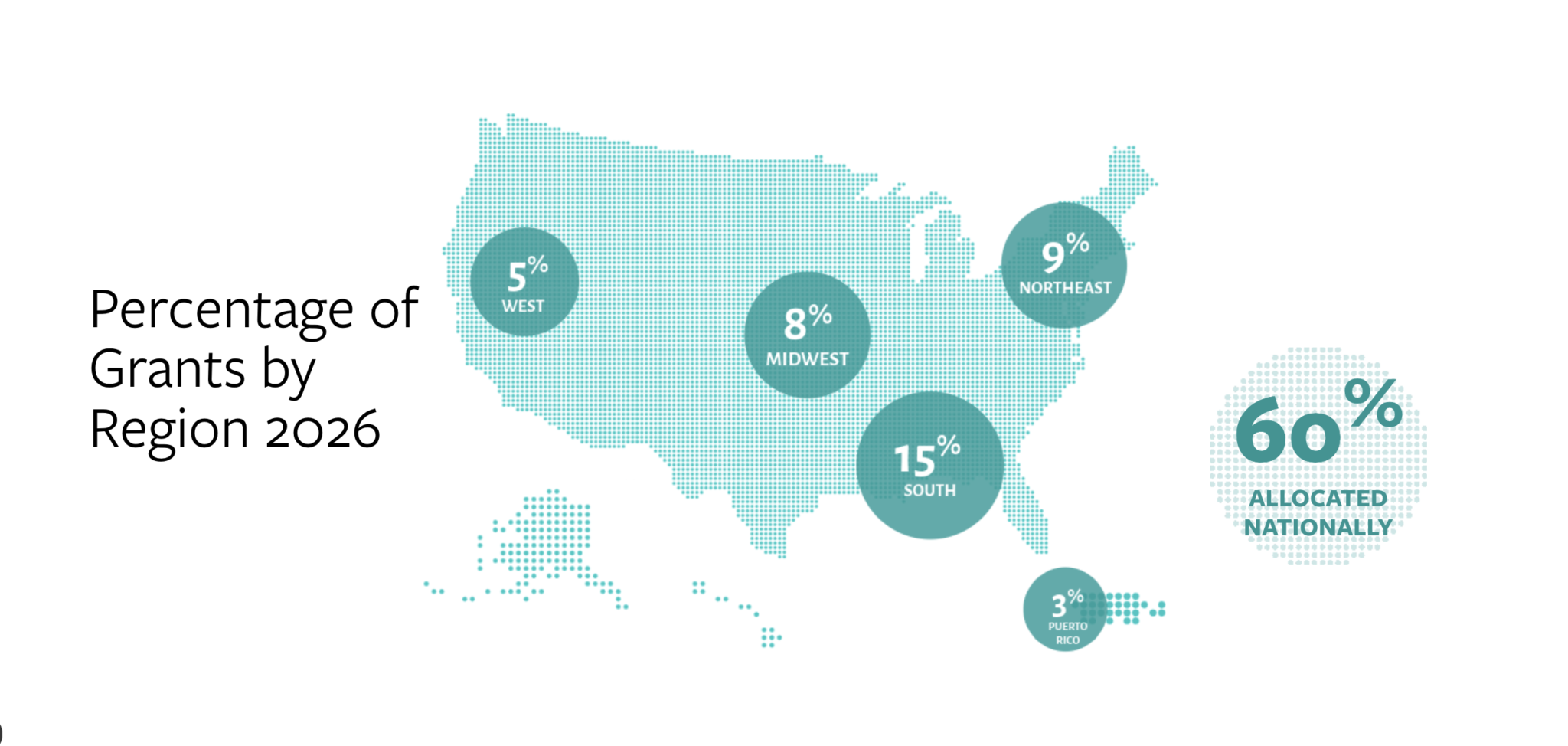
Grants by Geography: 5% West, 8% midwest, 9% Northeast, 15% south, 3% Puerto Rico, 60% national
  • $100M

    In Grants

    FY25 and FY26 combined

  • 14%

    Of Surdna’s Endowment in Mission-Related Investments

  • 70%

    Grants

    are general operating support

Explore Facts & Figures

What We're Learning

We are committed to rigorous, honest learning. Here’s a video on what we’ve learned through impact investing, followed by four lessons drawn from our grantees’ work and their feedback on ours.

  1. Lasting change comes when communities have a say in decisions and can see the results. In Richmond, California, residents helped secure $550 million from the city’s 2024 agreement with Chevron and now help decide how it’s spent, from parks to essential services. Iliana Pujols, who experienced the youth justice system firsthand, leads youth organizing at the Youth First Justice Collaborative, which supports youth- and family-led groups in 18 states. That kind of organizing has helped cut youth incarceration nationwide by 74% since its peak.

  2. What people believe shapes what’s possible. When a coalition of grantees interviewed more than 70 economic justice leaders, they heard 47 different descriptions of the economy those leaders are working toward. But nearly half said that they needed to shift from going it alone to looking out for one another. Through Margins to Mainstream, a project our grantees chose through participatory grantmaking, the coalition now plans to take that shared story to the public through social media and content creators. It’s one reason why we support culture, storytelling, and local news alongside the rest of our work.

  3. A bigger tent starts with meeting people where they are. In Utica, Mississippi, Sipp Culture turned a building that sat dark for 20 years into a Main Street cultural center, where artists create and residents gather for Friday night fish fries and a farmers market. In Gary, Indiana, Capital B prints a free monthly paper because many residents lack reliable internet. And the National Council of Nonprofits tailored its national campaign to each state, so people hear about nonprofits doing work in their own communities.

  4. At its best, trust is a partnership. For us, that starts with flexible money and fewer hoops, which is why 70% of our grants are general operating support. In our Grantee Perception Report by the Center for Effective Philanthropy, grantees rated our reporting process in the 91st percentile for flexibility among comparable funders. But as one grantee told us, “Trust-based philanthropy does not mean disengagement.” So we offer support beyond money through our Resilient Organizations Initiative and stand up publicly for our priorities and values. Grantees asked for more direct engagement with our staff, and we’re building that into the refresh of our racial and social justice strategies over the next year.


Reports & Stories

surdna report

April 2026

Surdna Foundation: A Case Study on Endowment Transformation

Read the Report
White page with light green circles that reads: Building Power Through Culture Mid-Strategy Report.

July 2026

Building Power Through Culture: The Thriving Cultures Mid-Strategy Review Report

Building Power Through Culture
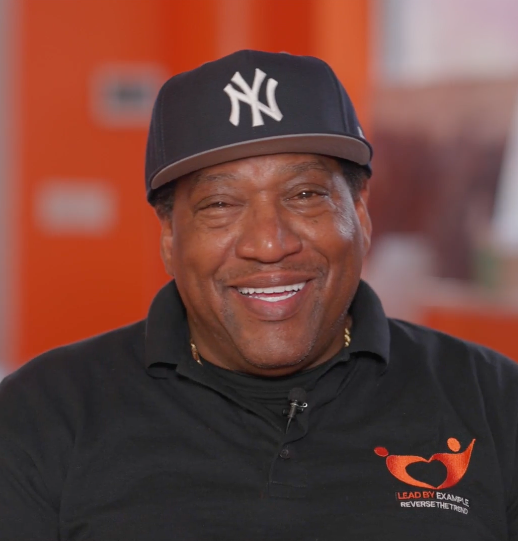
Black man wearing a New York Yankees hat and a black shirt smiles

October 2026

Formerly Incarcerated Mentors Help Young People in Harlem Thrive with Andrus Family Fund partner Lead By Example & Reverse The Trend

Watch the Video

What Does the Future Need from Us Now?

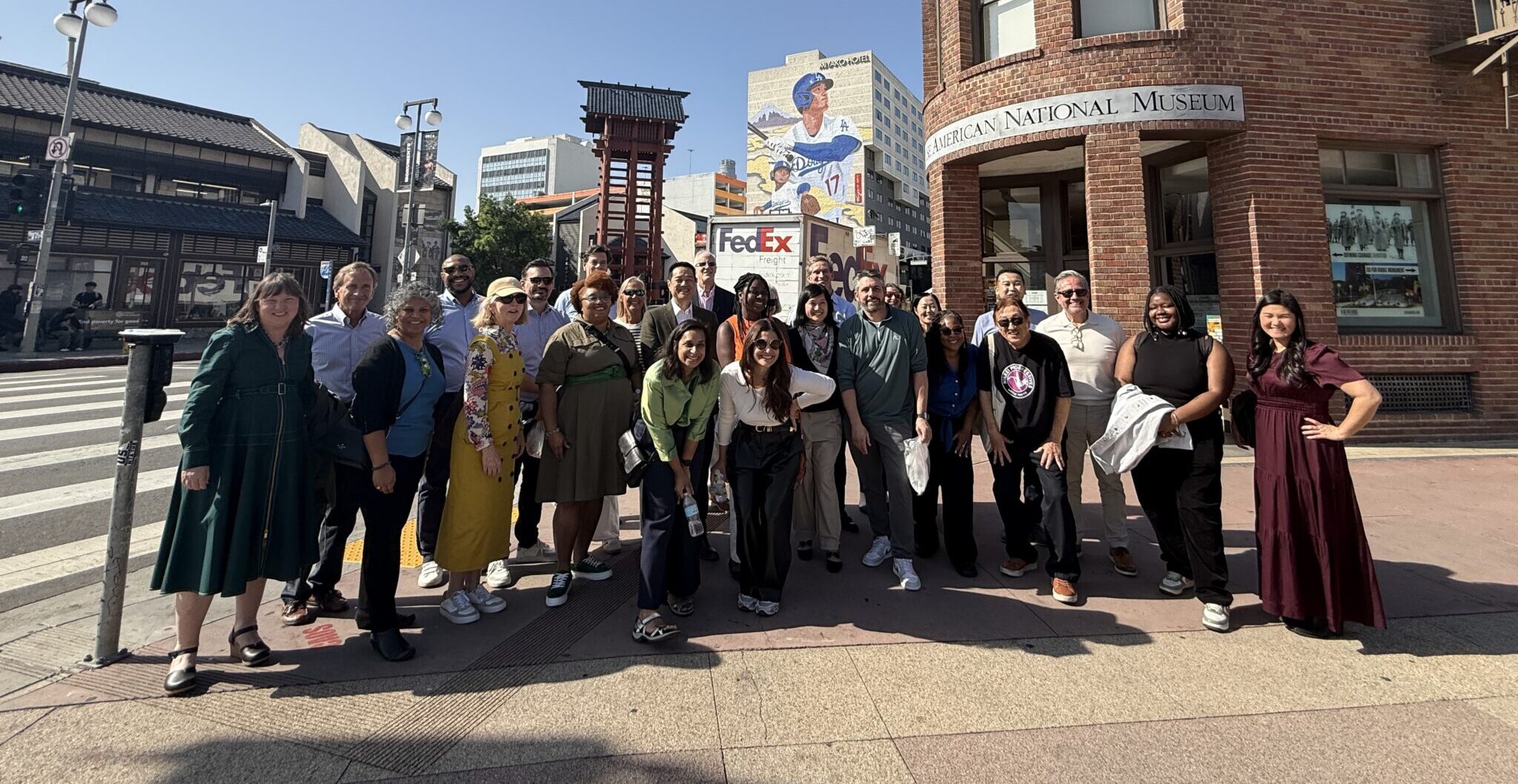
Surdna staff, board, and partners in front of the Japanese American National Museum in Los Angeles. (Photo: Surdna Foundation)

A closing message from Don Chen

This has been a difficult year. Many Americans are struggling to pay for basic necessities like gas, housing, food, and health care. Fear has gripped once-vibrant communities because of reckless immigration raids. On top of that, the organizations that typically help their neighbors through hard times are also struggling because of cuts in government funding, declining philanthropic support for racial equity initiatives, and rising operating costs.

The Surdna Foundation has sought to respond to grantees’ needs by increasing our payout, working with others to protect the nonprofit sector, and providing technical assistance for fundraising, leadership development, financial management, and digital security through our Resilient Organizations Initiative. We expect challenges to persist in the coming years and plan to continue doing our part to help our nonprofit partners accomplish the gains that make a difference in people’s lives. We appreciate more than ever the importance of providing multiyear general support so that nonprofit partners can help deliver tangible benefits to people, families, and their communities. And we are resolute in continuing to provide every type of assistance we can muster—not just grant dollars.

The stories in this report also point to a better future for the United States—one in which life’s basic necessities are affordable and abundant, communities are healthy and safe for all, and everyone has opportunities to pursue and reach their fullest potential. How we pursue those goals matters like never before. Democratic principles and practices are still under attack, many public services have been decimated, and declining numbers of Americans believe they can attain the American dream.

Despite these headwinds, we must not allow fatalism to set in. Our partners in communities across the country don’t have the privilege of deferring their dreams. At our very best, foundations have more latitude than just about any other sector in American society to support new, creative possibilities that better serve the public interest—even if that means upending the status quo. We can also fund organizations whose leaders and practitioners will help turn those possibilities into reality. So, we will continue to balance the need to help improve people’s lives now with the imperative to boldly reimagine how our democracy should function, how our economy works, and what freedom truly feels like for all Americans.

For Surdna, that means supporting creative visionaries who are developing heterodox solutions that advance racial justice, doubling down on building communities’ decision-making power, and backing our partners as they bring their ideas to new audiences. Together, we can hold fast to our dreams and build the future our communities deserve.

Don Chen
President, Surdna Foundation

Our Mission

Fostering sustainable communities in the United States — communities guided by principles of social justice and distinguished by healthy environments, inclusive economies, and thriving cultures.

For over five generations, the Foundation has been governed largely by descendants of John Andrus and has developed a tradition of innovative service for those in need of help or opportunity.

Phone: 212-557-0010

  • Media Kit & Glossary
  • Privacy Policy
  • Careers
© 2026 Surdna Foundation. Created by Constructive
GDPR Cookie Banner

By clicking "Accept All Cookies", you agree to the storing of cookies on your device to enhance site navigation, analyze site usage, and assist in our marketing efforts. You can find out more about which cookies we are using or switch them off in .

Living in the Future: Surdna Foundation Impact Report 2025–2026
Surdna Foundation
Privacy Overview

When you visit any website, it may store or retrieve information on your browser, mostly in the form of cookies. This information might be about you, your preferences or your device and is mostly used to make the site work as you expect it to. The information does not usually directly identify you, but it can give you a more personalized web experience. Because we respect your right to privacy, you can choose not to allow some types of cookies. Click on the different category headings to find out more and change our default settings. However, blocking some types of cookies may impact your experience of the site and the services we are able to offer.

More Information

Strictly Necessary Cookies

These cookies are necessary for the website to function and cannot be switched off in our systems. They are usually only set in response to actions made by you which amount to a request for services, such as setting your privacy preferences, logging in or filling in forms. You can set your browser to block or alert you about these cookies, but some parts of the site will not then work. These cookies do not store any personally identifiable information.

Performance Cookies

These cookies allow us to count visits and traffic sources so we can measure and improve the performance. They help us to know which pages are the most and least popular and see how visitors move around the site. All information these cookies collect is aggregated and therefore anonymous. If you do not allow these cookies we will not know when you have visited our site, be able to monitor its performance.